 Loading…


BetterSuite is built for teams who see on-demand as a business — not a feature.

You see it everywhere, don't you? The delivery bags, the couriers on e-bikes zipping through town. The whole world of on demand delivery has absolutely exploded, and it's not slowing down. Watching it all, it's easy to get that spark of an idea: "You know, I could do that. I could start my own food delivery business right here in my community, and maybe even do it better." It's a fantastic thought, because the opportunity is real and exciting. But then comes the big question: how do you go from that great idea to actually making it happen? It's a journey, for sure. It's more than just having an app and some drivers. It's about crafting a smart strategy, understanding your market, and choosing the right technology to be your foundation. Here at BetterSuite, we've been in the trenches, helping entrepreneurs and businesses launch and scale their on-demand dreams. We built our powerful food delivery software, BetterShop, to be the perfect platform for this adventure. So, we wanted to share a kind of founder's playbook – a step-by-step guide on how to start a food delivery business the smart way.
Before you do anything else, you need to figure out your unique angle. Just saying "I want to deliver food" isn't enough in today's competitive market. The real magic happens when you get specific. The first step when asking " how to start your own food delivery business" is creating a solid plan.
Really look at your town or city. What's missing? Is there a ton of great pizza but no good way to get amazing Thai food delivered? Is everyone focused on downtown, leaving the suburbs underserved? Maybe there's a huge opportunity for a dedicated grocery or farm-to-table delivery service. Finding that gap in the market is your first big win.
This is your game plan. It doesn't have to be a stuffy corporate document, but it does need to answer the important questions for your food delivery business plan. Who are your ideal customers? Who are your restaurant or store partners going to be? How will you make money (commissions, delivery fees, subscriptions)? What are your goals for the first six months? Having this written down gives you clarity and direction.
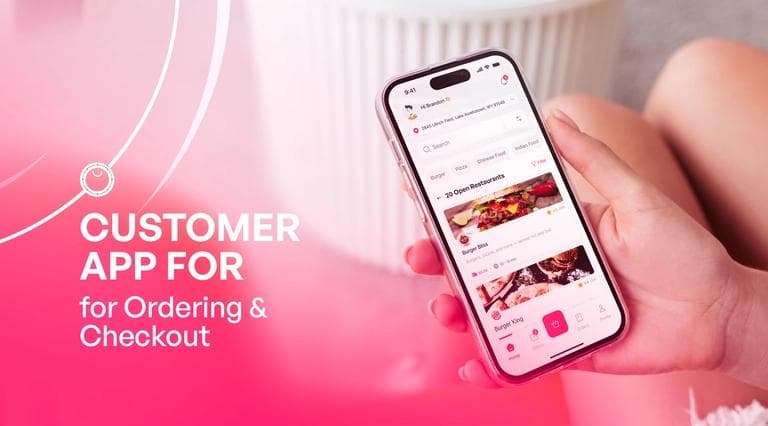
Your technology platform is the heart of your entire operation. It's the engine that will either hum along smoothly or be a constant source of headaches. When you're thinking about how to get your food delivery business off the ground, this is one of the most critical decisions you'll make. You could try to build everything from scratch, but honestly, that's a long, incredibly expensive, and risky path. The smarter move for most is to use a powerful, ready-to-brand (white label) platform. A great food delivery software solution should come with all the key pieces already built and battle-tested: a beautiful, easy-to-use customer app, a powerful app for your drivers, and a comprehensive admin panel for you to run the show.
This is exactly what we built with BetterShop. It's a complete, professional platform that provides that rock-solid foundation. You get the power of a custom-built system – the slick user experience, the smart dispatching, the real-time tracking – without the terrifying price tag or the years-long development timeline. It's your shortcut to a professional, scalable operation.
Learn More About Choosing a Food Delivery App Company
Alright, let's talk about the less glamorous but super important stuff: the paperwork. Every area has its own set of rules for operating a business food delivery service, and getting this right from the start is crucial.
So, what's it really going to cost? Thinking through how to start a food delivery business means getting a realistic handle on your budget. Your main startup costs will likely fall into these buckets:
Your food delivery business is only as good as the partners you have on your platform. Getting great local restaurants and stores on board is key. So, what's your pitch? You need to show them the value. Unlike the giant, impersonal aggregator apps, you can offer a real, local partnership. Maybe you can offer a more competitive commission rate. But more importantly, you can offer a better experience. With a platform like BetterShop, you can show them how the business food delivery management tools give them more control, how the clear order dashboard will reduce mistakes in their kitchen, and how your focus on the local community will bring them high-quality customers. You're not just another app; you're a local partner invested in their success.
See How the Best Restaurant Software Streamlines Orders and Operations
This is often the trickiest part of the whole operation: how do you actually get the food from the restaurant to the customer's door, efficiently and reliably? A successful food delivery business lives and dies by its logistics.
You need a solid plan for your delivery drivers. This means recruiting, training, and equipping them with a great driver app that makes their job easier with things like optimized routing and clear instructions. But here's where being part of the BetterSuite ecosystem gives you a massive, almost unfair, advantage. BetterShop is designed to integrate seamlessly with BetterTaxi, our taxi dispatch software. What does this mean for your online food delivery business?
You've got your plan, your tech, your partners, and your drivers. Awesome! Now it's time to launch your food delivery business and let everyone know you've arrived.
Starting a food delivery business from scratch is a big undertaking, there's no doubt about it. But when you break it down into a smart, step-by-step plan, it becomes a genuinely achievable and incredibly exciting venture. It all comes down to understanding your community, building great partnerships, and, most importantly, choosing a powerful and flexible technology foundation. A modern platform like BetterShop isn't just software food delivery; it's the command center that allows you to compete with the giants, control your brand, and turn your brilliant idea into the next go-to favorite in your town. Your successful food delivery business starts here.
Discover the Benefits of a White Label Food Delivery App
Ready to launch your food delivery business in 2025? BetterShop provides a complete solution—customer app, driver app, and management dashboard—to help you scale quickly and compete with top platforms.
Check Out the BetterShop Demo Today!
A food delivery business connects customers with local restaurants or stores through an app or website and manages the logistics of delivering orders efficiently.
Begin with a food delivery business plan that identifies your target market, revenue model, and competitive advantage based on local market research.
Reliable food delivery software ensures smooth order management, driver dispatching, and customer tracking—making it essential for scalability and customer satisfaction.
White label apps reduce costs, accelerate launch timelines, and provide a proven platform you can fully brand—ideal for starting your own food delivery business.
White label apps reduce costs, accelerate launch timelines, and provide a proven platform you can fully brand—ideal for starting your own food delivery business.